Eating for Hormonal Balance: A Clinical Nutrition Blueprint for Women
Learn how macronutrient ratios, circadian meal timing, and gut-healthy foods restore hormonal harmony, combat fatigue, and regulate irregular cycles in women.
Endocrine equilibrium in females is intimately regulated by nutrient sensing pathways, circadian feeding architecture, and the gut microbiome (the estrogen-gut-microbiome axis or estrobolome). Fluctuations in peripheral insulin sensitivity and unmitigated hypothalamic-pituitary-adrenal (HPA) axis stimulation are principal drivers of luteal phase deficiency, hyperandrogenism, and anovulation.
1. The Glucose-Insulin-Hormone Nexus
- Ovarian Insulin Signaling: The ovaries remain insulin-sensitive even when skeletal muscle exhibits insulin resistance. Elevated circulating insulin stimulates ovarian theca cells to upregulate CYP17A1 enzyme activity, catalyzing excess testosterone synthesis.
- SHBG Suppression: Hyperinsulinemia suppresses hepatic synthesis of Sex Hormone-Binding Globulin (SHBG), elevating biologically active free testosterone and free estradiol levels.
- Circadian Misalignment: Late-night carbohydrate-dense meals disrupt nocturnal melatonin synthesis and blunt morning growth hormone pulses, compounding morning fatigue and insulin resistance.
2. Clinical Nutrient Guidelines for Endocrine Health
| Endocrine Target | Key Micronutrients | Mechanism of Action | Whole Food Sources |
|---|---|---|---|
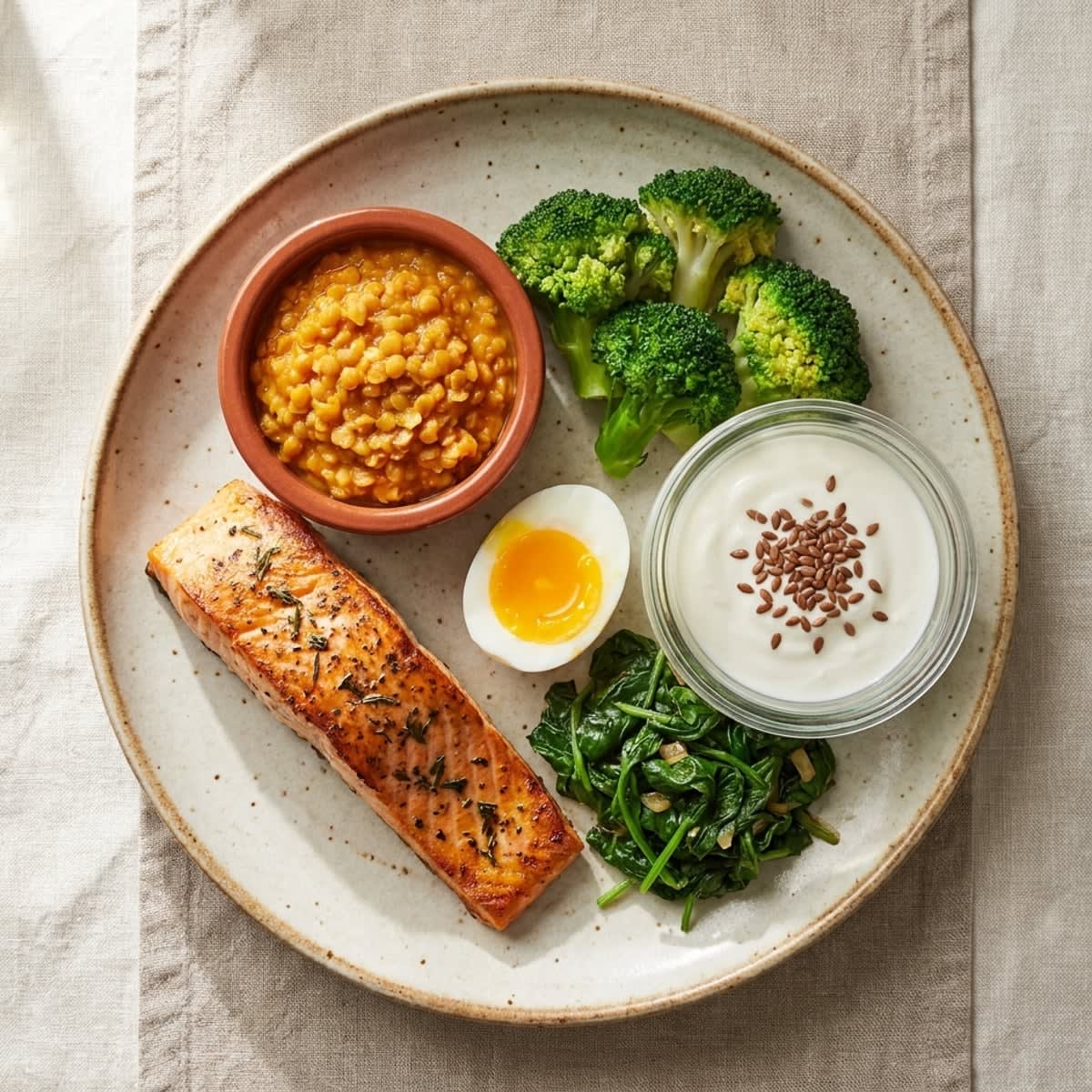
| Estrogen Clearance (Liver Phase I/II) | Indole-3-carbinol, DIM, Glucosinolates | Promotes 2-hydroxylation over genotoxic 16$\alpha$-hydroxyestrone pathways | Cruciferous vegetables (cauliflower, cabbage, mustard greens) |
| Progesterone Synthesis (Corpus Luteum) | Zinc, Vitamin B6, Magnesium | Stimulates pituitary LH pulse amplitude and corpus luteum microvascularization | Pumpkin seeds, egg yolks, legumes, dark leafy greens |
| Thyroid Conversion (T4 to T3) | Selenium, Iodine, Tyrosine | Cofactors for deiodinase enzyme complexes in hepatic and renal parenchyma | Marine fish, whole eggs, iodized salt, curd |
| Adrenal Support (Cortisol Buffering) | Vitamin C, Phosphatidylserine, B-complex | Dampens excessive adrenal adrenocorticotropic hormone (ACTH) reactivity | Citrus, amla, lentils, unpolished brown rice |
3. Chrononutrition Protocol
- Protein-Paced Breakfast: Initiate nutrition within 90 minutes of waking with at least 25–30 grams of protein to anchor morning cortisol and prevent afternoon hypoglycemia.
- Food Sequencing: Consume dietary fiber first, followed by proteins and healthy lipids, and reserve high-glycemic starches for the end of the meal. This reduces postprandial glycemic excursion by up to 40–50%.
- Support Estrobolome Integrity: Integrate fermented unpasteurized curd (tok doi) to maintain optimal microbial beta-glucuronidase levels, preventing the harmful reabsorption of deactivated estrogens.
“⚠️ Medical Disclaimer: This article provides clinical education on lifestyle nutrition. Patients diagnosed with type 1 or type 2 diabetes, chronic kidney disease, or severe metabolic conditions must consult their endocrinologist or certified clinical dietitian before adjusting their macronutrient intake.

Dr. Tasnim Ara
OB-GYN & Women's Health Specialist
Dedicated to creating evidence-based, compassionate health resources for women through every stage of life.
Medically reviewed. This story was checked against current clinical guidance by the Femevia medical board. It is educational — always speak with your own clinician about your care.



The conversation0
A kind, moderated space. Share what this story meant to you.
Sign in to join the conversation